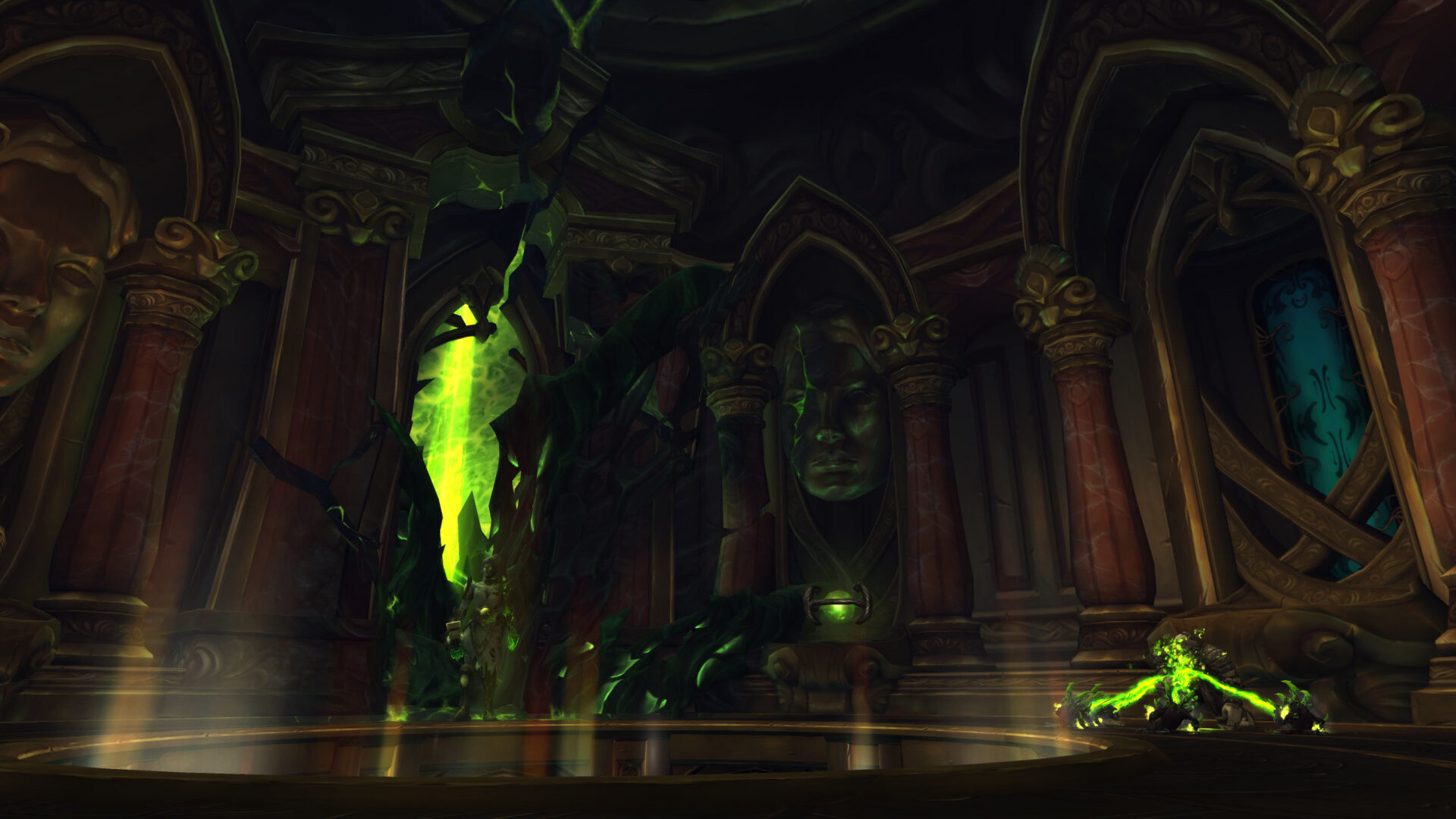
Raid composition is both a science and an art — a delicate balance between power, utility, survivability, and adaptation. While individual performance matters, the success of a raid hinges on how well its members complement one another. Tanks define pacing, healers stabilize momentum, and damage dealers bring a variety of strengths that shift with each encounter. Diversity isn’t merely beneficial — it is central to the identity of group content.
This article explores how diversity in raid composition shapes outcomes, revealing why the strongest groups rely on balance rather than brute force.
Roles That Define Rhythm
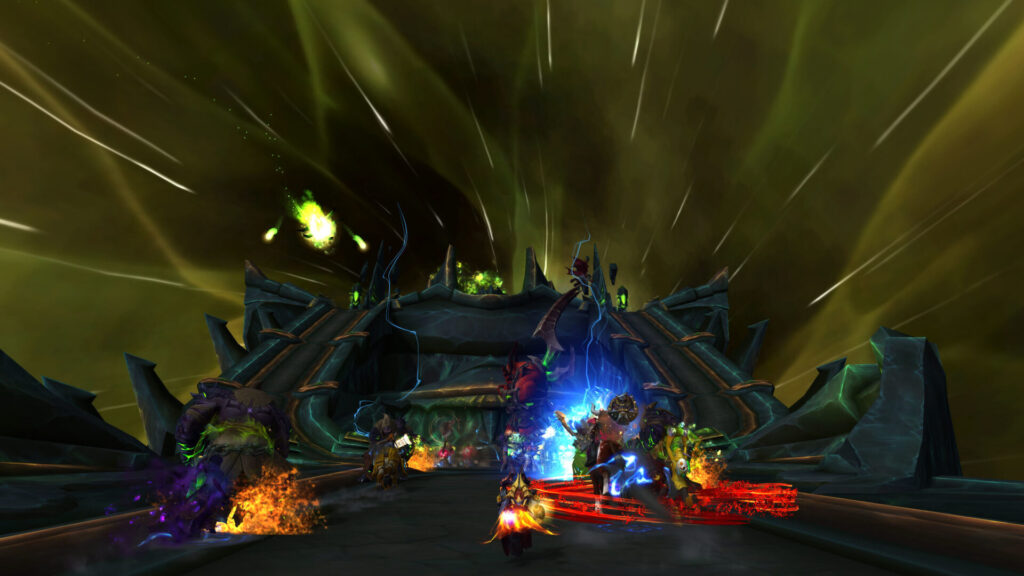
Each role shapes the flow of battle. Tanks anchor the encounter by directing movement and smoothing incoming damage. Healers moderate chaos through timing, awareness, and resource management. Damage dealers drive progression by breaking barriers, handling mechanics, and maximizing windows of opportunity. When these roles synchronize, encounters feel fluid and predictable; when they fall out of alignment, chaos takes hold.
Raid rhythm is built on cooperation, not individual intensity.
Diversity as a Strategic Advantage
A well-balanced raid covers weaknesses and amplifies strengths. Each class brings unique advantages — crowd control, cooldowns, debuffs, mobility tools, or encounter-specific mechanics. The best groups leverage these differences not by stacking one solution, but by combining many. Diversity ensures flexibility, allowing groups to adapt to varied phases, random elements, and shifting pressure points.
To show how diversity shapes performance, here is a simplified breakdown:
| Class/Role Strength | Raid Impact |
|---|---|
| Mobility tools | Handle spread mechanics and rapid repositioning |
| Defensive cooldowns | Stabilize damage spikes for tanks and healers |
| Raid-wide buffs | Increase group efficiency across mechanics |
| Unique debuffs | Enhance damage windows and enable burst phases |
| Special utility | Handle niche mechanics that can make or break attempts |
Synergy Matters More Than Raw Power
Success rarely comes from stacking the strongest classes. Instead, synergy between roles determines whether strategies succeed. Tanks relying on healer cooldowns, damage dealers coordinating burst phases, and support abilities aligning at the right moments all create windows where encounters crumble. This synergy requires communication, trust, and understanding of how every role contributes to group success.
Victory emerges not from raw numbers, but from harmony.
Adapting to Encounter Personality
Each raid boss demands something different. Some encounters reward ranged-heavy groups; others favor melee coordination. Some fights require defensive strength, while others emphasize movement or interrupt control. Strong raid leaders understand these nuances and adjust composition accordingly. Good leaders bring the right people; great leaders bring the right combinations.
Encounters shape composition as much as classes do.
The Human Element Behind Composition
Beyond abilities and roles lies the most important factor: the players themselves. Composure under pressure, communication smoothness, adaptability, and synergy built over weeks or months often determine the difference between a late-night wipe and a triumphant kill. A group that trusts each other will outperform a group built solely for optimization.
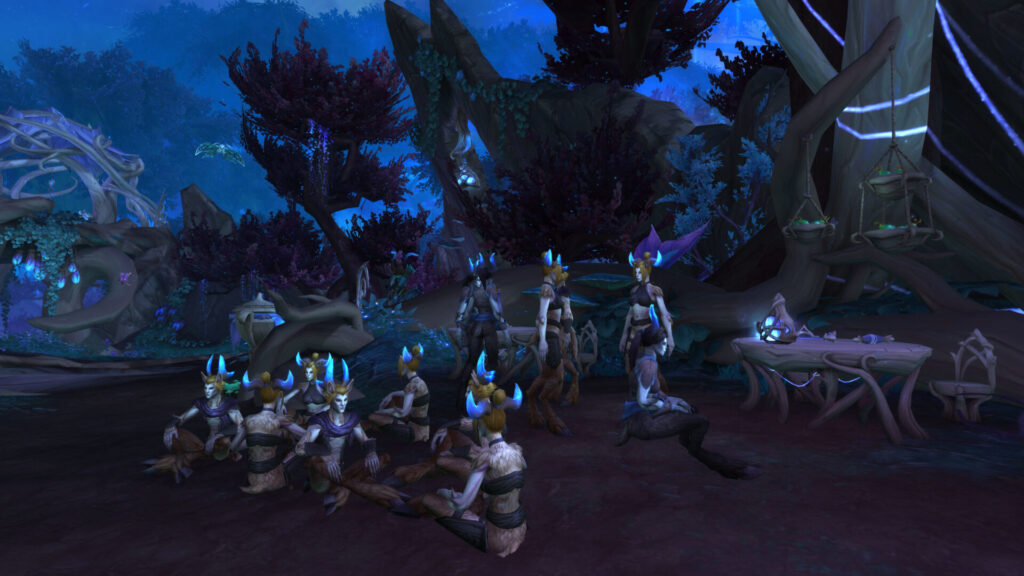
Diversity in personality and playstyle strengthens group identity.
Conclusion
Raid composition is a blend of strategy, diversity, and human collaboration. The strongest groups succeed because they embrace variety — in abilities, roles, and players. By understanding how each class contributes to the larger whole, raid teams transform individual strengths into collective victory. In the end, victory is earned not by perfection, but by the harmony of many different pieces working as one.